Youth Pipelines Driving Long-Term Success in Top European Soccer Leagues
Written by Henrik Sullivan · Sep 5, 2026

Youth Pipelines Driving Long-Term Success in Top European Soccer Leagues
Youth development pipelines have become central to how leading clubs in Europe's premier divisions maintain consistent performance across multiple seasons, and data from league records shows that teams with structured academy systems often sustain higher win rates and squad stability over time.
Core Elements of Effective Pipelines
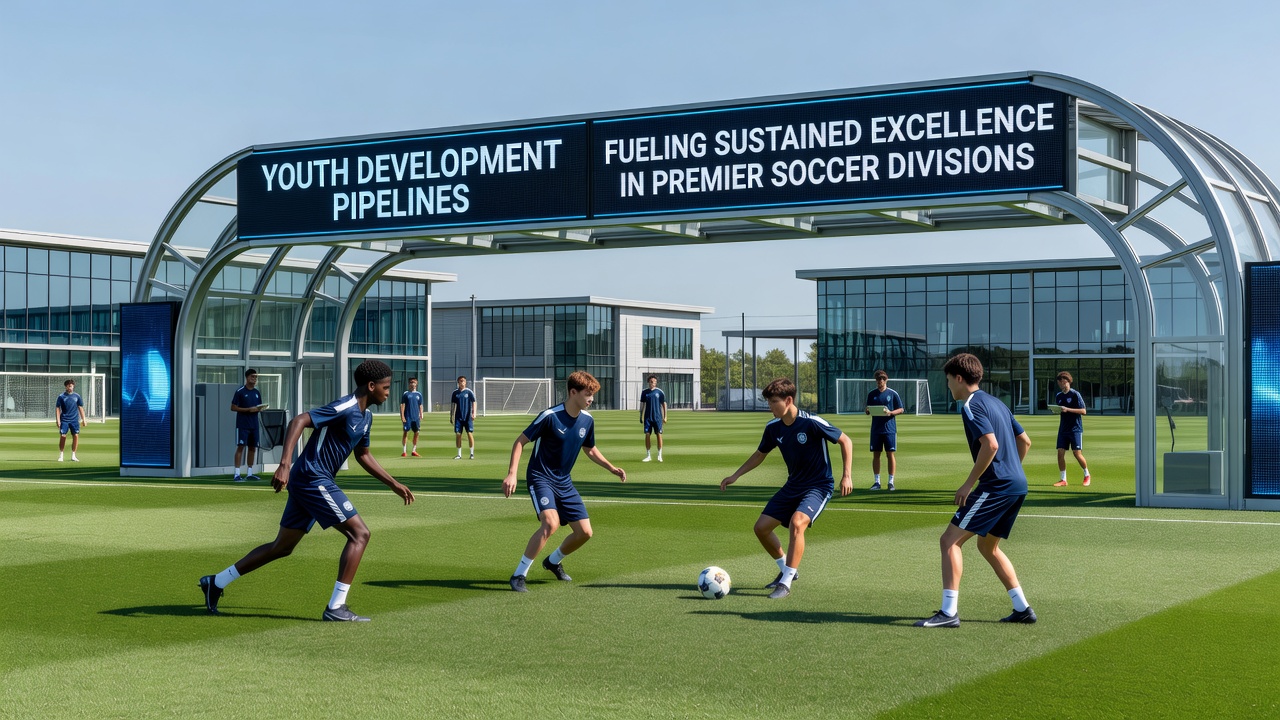
Scouting networks operate from early ages in countries with established soccer cultures, while clubs in the Bundesliga and La Liga integrate technical drills, tactical education, and physical conditioning into daily routines that start at under-9 levels. Research from the German Football Association indicates that players who complete at least six years in these systems demonstrate improved passing accuracy and decision-making under pressure compared with those entering later. Academies also balance on-field work with academic support, which helps reduce dropout rates and keeps families engaged in the process.
Club Models Across Regions
Clubs like those in the Netherlands and Spain have long emphasized ball control and positional play from youth ranks, whereas English Premier League sides have increased investment in residential facilities and data-driven monitoring since the mid-2010s. Observers note that German clubs frequently promote academy graduates into first-team matchday squads at higher rates than many peers, and figures from the 2024-2025 season reveal that several Bundesliga teams fielded lineups containing four or more homegrown players in over half their fixtures. Australian and Canadian soccer federations have studied these European approaches to adapt similar pathways for their domestic leagues, focusing on coach education programs that mirror UEFA standards.
Performance Data and Transfer Patterns
Statistics compiled by European football bodies show that clubs with robust pipelines spend less on external transfers for key positions, which in turn allows larger budgets for infrastructure upgrades and staff retention. One study tracking player movements between 2018 and 2025 found that academies producing regular first-team contributors correlated with improved league table positions sustained over five-year windows. Teams in the top divisions of Spain and Germany recorded the strongest retention of youth graduates, while English clubs showed rising numbers of academy players making their debuts before age 20.
Challenges and Adjustments
Competition for top talent remains intense, and clubs must navigate regulations on player registration and international transfers that vary by league. Data from recent seasons indicates that injuries among academy players have prompted many organizations to introduce load-management protocols and sports-science teams earlier in the development cycle. Those who've examined squad turnover patterns observe that pipelines help stabilize rosters during transfer windows, reducing the impact of departures by established stars.
Regional Variations and Global Influence
Scandinavian leagues have adopted elements from larger neighbors by partnering with academies for shared training camps, and reports from the Canadian Soccer Association highlight efforts to build domestic pathways that reduce reliance on foreign imports. European governing bodies continue to update youth competition formats to emphasize skill development over results at younger ages, which aligns with findings that long-term technical growth benefits eventual senior performance. In September 2026, several leagues plan to release updated academy certification criteria that will require clubs to demonstrate measurable progress in player welfare metrics.
Conclusion
Youth development pipelines continue to shape roster construction and competitive outcomes in premier soccer divisions, with evidence showing sustained advantages for clubs that maintain integrated systems from early ages through senior integration. Ongoing adjustments in training methods, regulatory compliance, and data usage keep these structures responsive to evolving demands across Europe's top leagues and beyond.