Performance Tracking Tools Reshaping Squad Formations Across Olympic Multi-Sport Events
Written by Henrik Sullivan · Sep 19, 2026
Performance Tracking Tools Reshaping Squad Formations Across Olympic Multi-Sport Events
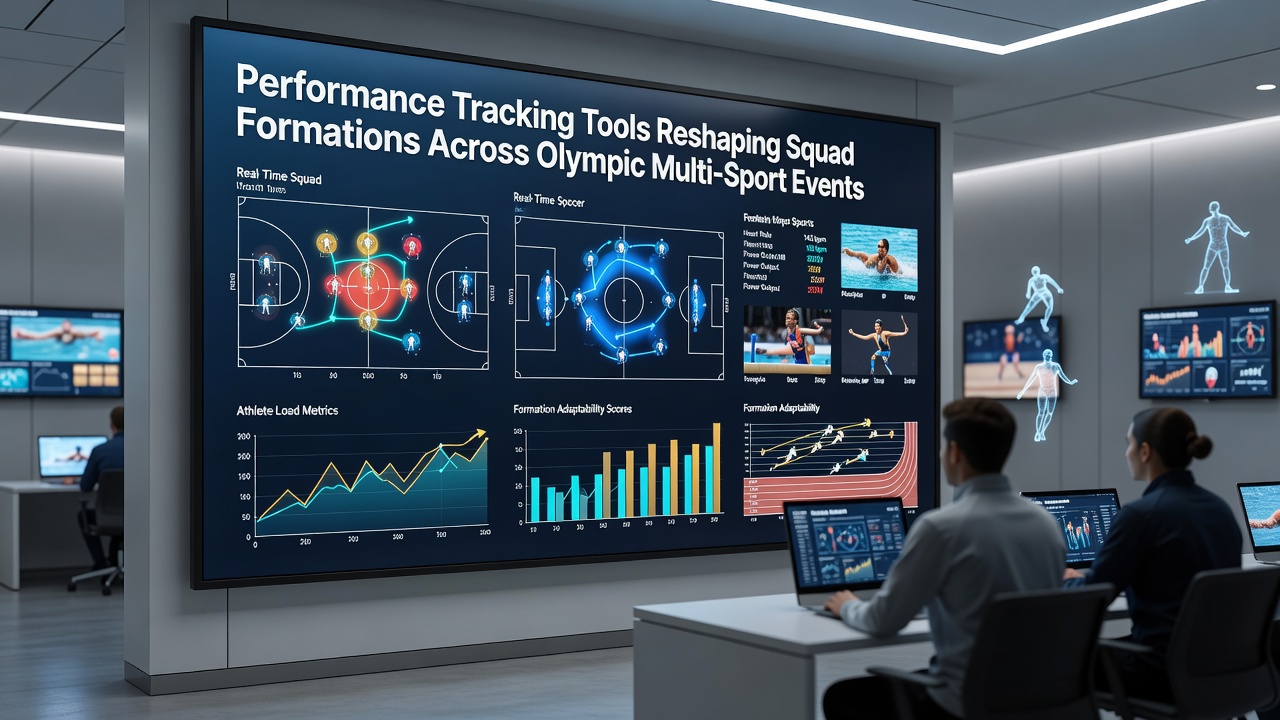
Performance tracking tools now influence squad selections in Olympic multi-sport events through continuous data collection on athlete metrics such as heart rate variability, movement efficiency, and recovery rates, and these systems integrate sensors into training environments across disciplines including athletics, swimming, and team-based competitions. Data streams from GPS units and biometric monitors feed into algorithms that highlight patterns in workload distribution, allowing national federations to adjust rosters based on quantifiable thresholds rather than traditional observation alone.
Data Integration in Selection Processes
National Olympic committees have adopted centralized platforms that aggregate inputs from multiple devices, and this approach connects real-time feedback from training camps to final roster decisions months before major cycles begin. Researchers at institutions like the Australian Institute of Sport have documented how acceleration profiles and neuromuscular fatigue scores guide choices in relay teams, whereas similar systems in European programs track stroke efficiency for aquatic events. Those patterns emerge when coaches combine longitudinal datasets with competition results, creating selection matrices that prioritize athletes whose metrics align with event-specific demands.
Applications Across Disciplines
In track and field, pod-based sensors measure ground contact times and stride asymmetries during altitude sessions, and federations use these figures to determine which sprinters enter multi-round programs. Swimming programs meanwhile deploy underwater motion capture that records turn efficiency and kick rates, while volleyball squads analyze jump frequency and landing forces to balance rotation depth. Observers note that handball and basketball selections increasingly reference session RPE values paired with sleep data, since these correlations help predict injury risk across compressed tournament schedules.
What's interesting here is how the same datasets reshape depth charts when multiple events overlap, because an athlete strong in one metric may be repositioned to support team balance elsewhere. Figures from the International Olympic Committee technical reports indicate rising adoption rates of such tools ahead of the 2026 Winter Games cycle, where cross-country skiing and biathlon squads already test integrated harness sensors for energy expenditure mapping.
Challenges in Standardization
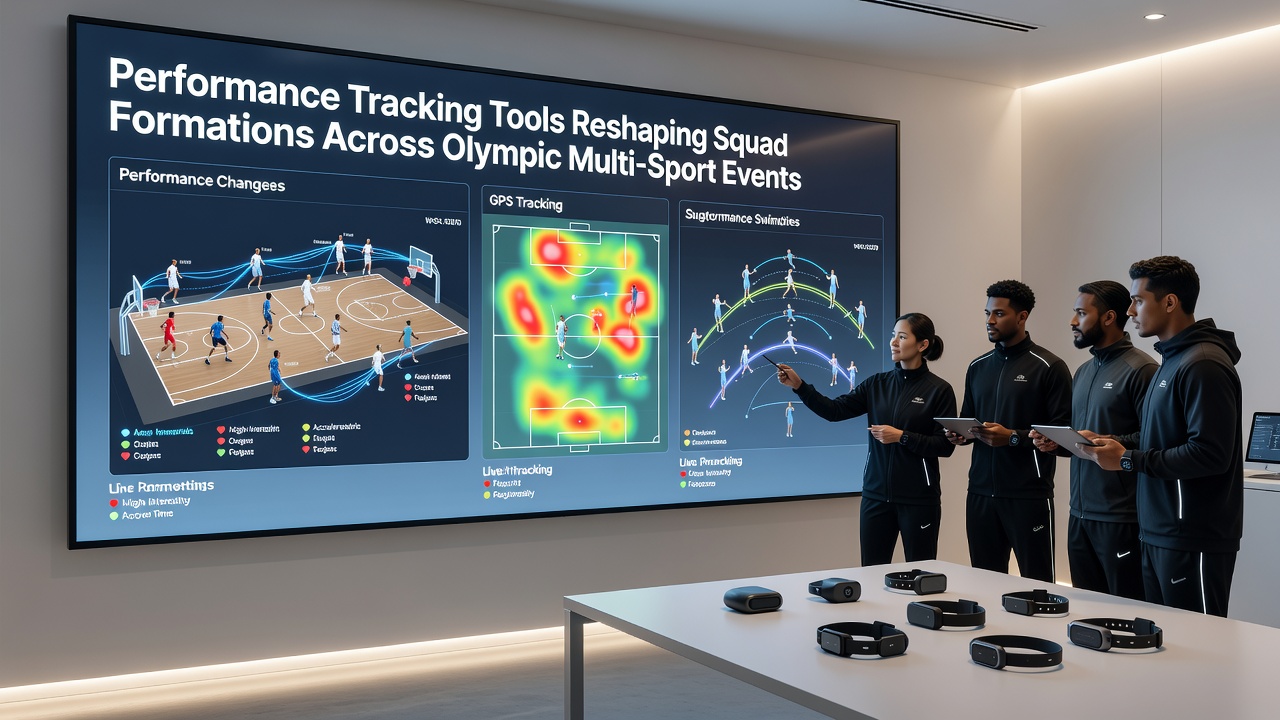
Variations in device calibration across manufacturers create inconsistencies when federations compare data from different nations, and governing bodies therefore push for unified protocols through working groups that include input from Canadian and Japanese research centers. Privacy regulations further complicate sharing of raw biometric streams between clubs and national programs, while hardware durability remains a concern in outdoor multi-sport settings exposed to extreme temperatures. Those who've implemented hybrid systems report that combining video analysis with sensor outputs reduces discrepancies, although processing delays can still affect last-minute adjustments before qualification windows close.
Evidence from university-led studies in Germany shows that squads using combined tracking and video review achieve tighter alignment between projected and actual performance outputs during Olympic test events. And because these tools generate granular position-specific benchmarks, coaches now evaluate substitutes through identical criteria applied to starters, narrowing gaps that once existed between training groups.
Looking Ahead to 2026 and Beyond
Preparations for September 2026 reviews will likely incorporate expanded sensor networks in multi-sport hubs, since federations seek to refine squad depth ahead of subsequent summer cycles. Current implementations already link recovery metrics to travel schedules across time zones, and this integration helps maintain formation stability when athletes move between continental qualifiers and final selections. Data indicates continued growth in the number of monitored parameters per athlete, extending from basic load measures to include cognitive response times in high-pressure drills.
Conclusion
Performance tracking tools continue to influence how Olympic squads form across events by supplying objective benchmarks that complement coaching expertise, and ongoing refinements in data fusion promise further adjustments to selection frameworks. National programs that standardize collection methods while respecting regulatory boundaries position themselves to optimize roster decisions through evidence drawn from training and competition environments alike.