Equipment Rule Adjustments Transform Record Trends in Global Swimming Events
Written by Parker Hartmann · Oct 17, 2026
Equipment Rule Adjustments Transform Record Trends in Global Swimming Events
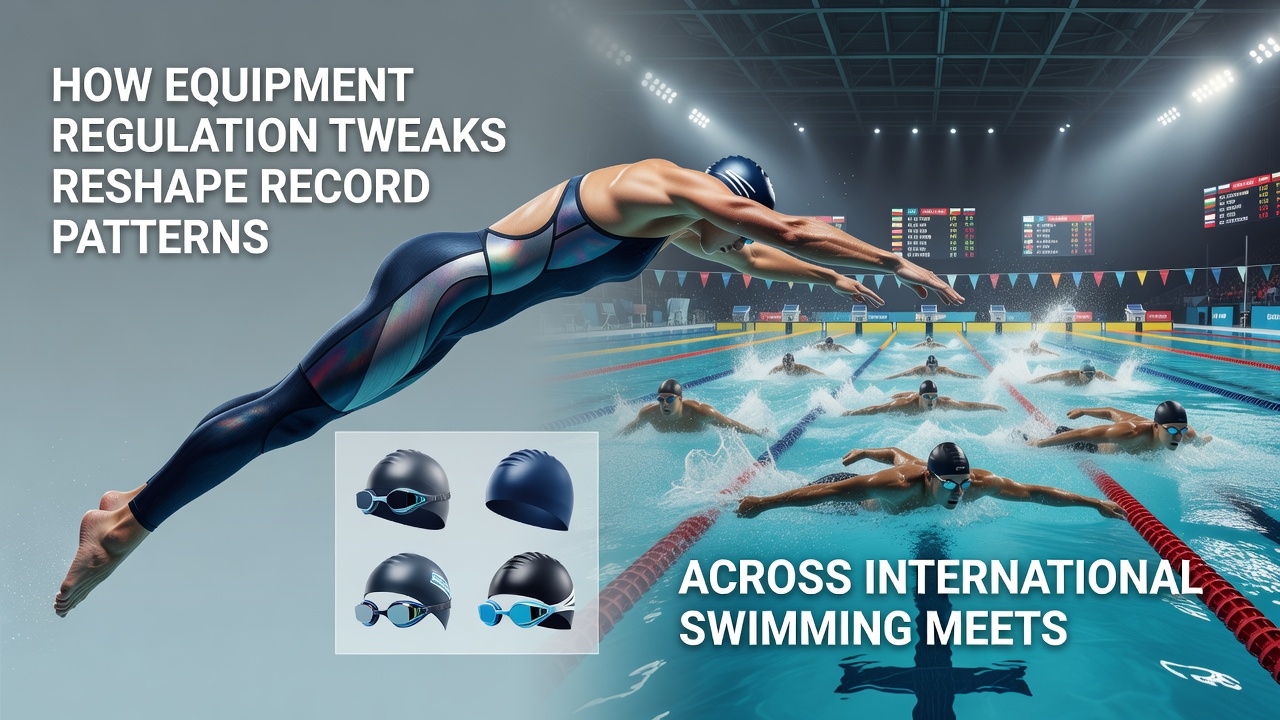
Swimming governing bodies have implemented targeted changes to equipment standards over the past decade, and these adjustments continue to influence performance metrics at events like the World Aquatics Championships and Olympic trials. Data from multiple federations shows shifts in record frequency and margins, particularly in events where drag reduction and material buoyancy play measurable roles. Observers note that modifications to swimsuit fabric composition, cap designs, and goggle seals have produced measurable effects on elite times since the early 2020s.
Historical Context of Regulation Changes
International swimming saw major equipment reviews following the 2009-2010 period when full-body polyurethane suits were restricted, yet further refinements emerged in subsequent years. World Aquatics introduced updated textile limits in 2023 that capped certain elastic fiber percentages, and these rules carried forward into qualification cycles for 2024 through 2028. Records set under previous allowances began to plateau while new marks emerged more gradually in sprint distances where hydrodynamic efficiency matters most.
Effects on Sprint and Distance Events
Analysis of times from the 2025 World Cup series reveals that 50-meter freestyle records advanced by smaller increments after the latest fabric restrictions took hold, whereas middle-distance events displayed steadier progression tied to training adaptations rather than gear alone. Researchers tracking data across European and Asian meets found that cap seam placements and goggle frame profiles contributed to small but consistent reductions in water resistance, allowing certain athletes to shave fractions of seconds in backstroke and butterfly. One study from the Australian Institute of Sport documented how these tweaks interacted with stroke mechanics, producing record clusters in specific pools known for their water temperature controls.
Regional Variations in Record Patterns
Meets held in North American facilities versus those in Oceania have shown divergent record behaviors since the 2024 rule clarifications on approved equipment lists. Figures from the Pan Pacific Championships indicate that venues with stricter pre-competition gear inspections recorded fewer sub-record performances in the 100-meter events, while longer freestyle races maintained closer alignment with pre-regulation benchmarks. Those who have examined timing logs across multiple continents report that equipment standardization appears to compress the gap between top and mid-tier competitors in relay events, where uniform cap and suit specifications reduce variables.
Measurement and Verification Processes
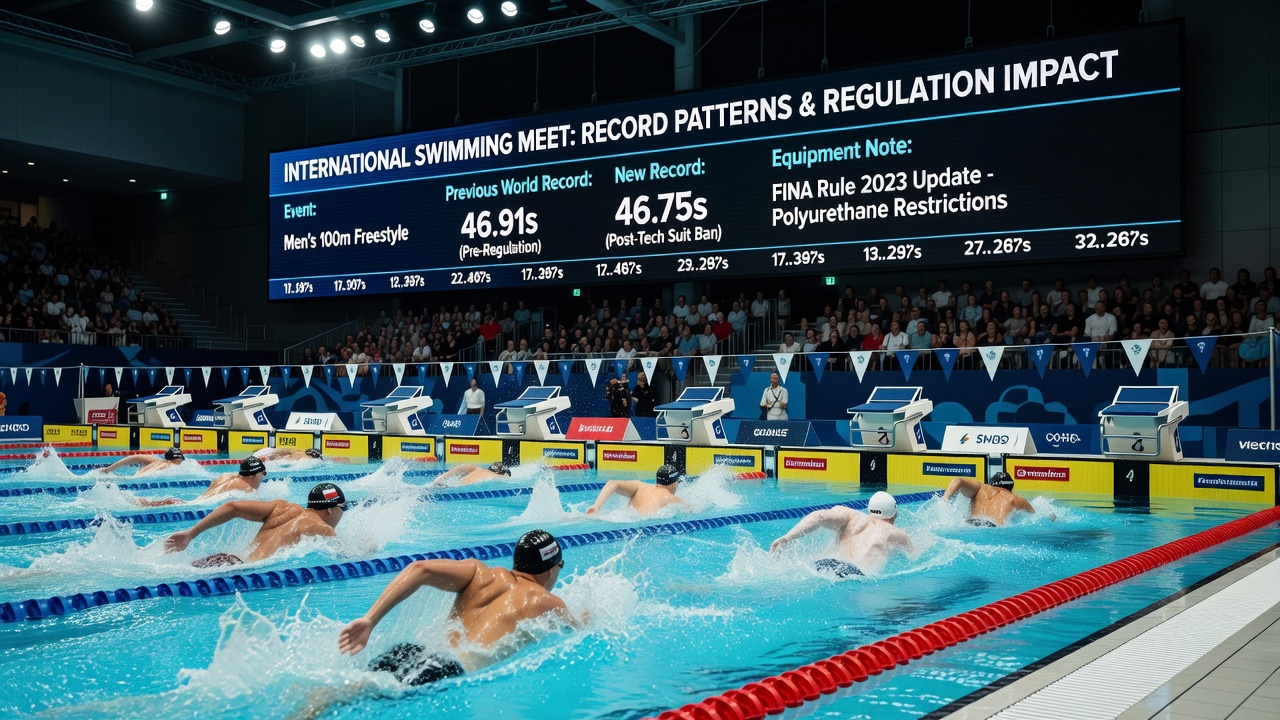
Verification protocols now require pre-event equipment checks using standardized measurement tools, and this process has altered how federations certify new marks. According to reports compiled by the Canadian Sport Institute, the added scrutiny has extended the time between record submissions and official ratification, particularly when novel suit models enter circulation. Data collected through 2025 demonstrates that events with enhanced verification saw a temporary dip in ratified records before stabilization occurred as manufacturers aligned products with the revised parameters.
Broader Impacts Across Stroke Disciplines
Breaststroke and individual medley competitions have reflected the regulation effects differently than pure freestyle, with evidence pointing to altered kick efficiencies when suit leg openings meet tighter circumference rules. International meets in October 2026 are expected to provide further datasets once qualification windows close and equipment inventories are finalized across national teams. Patterns emerging from preliminary heats suggest that tweaks to goggle lens curvature continue to influence underwater phases, where visibility and seal integrity directly affect turn times.
Conclusion
Equipment regulation adjustments have produced measurable shifts in how records accumulate across international swimming calendars, with impacts varying by event length, stroke type, and geographic hosting conditions. Continued monitoring by federations and research groups will clarify whether these patterns stabilize or evolve further as additional rule iterations are considered. The interplay between standardized gear and athlete performance remains a central factor in the evolving landscape of elite swimming data.